
- Location 1942 Broadway Boulder County, Co, 80302, USA
- Call Us +1(786) 887-8358
- Email Us [email protected]
Understanding and Preparing for Your Organization's Compliance Obligations
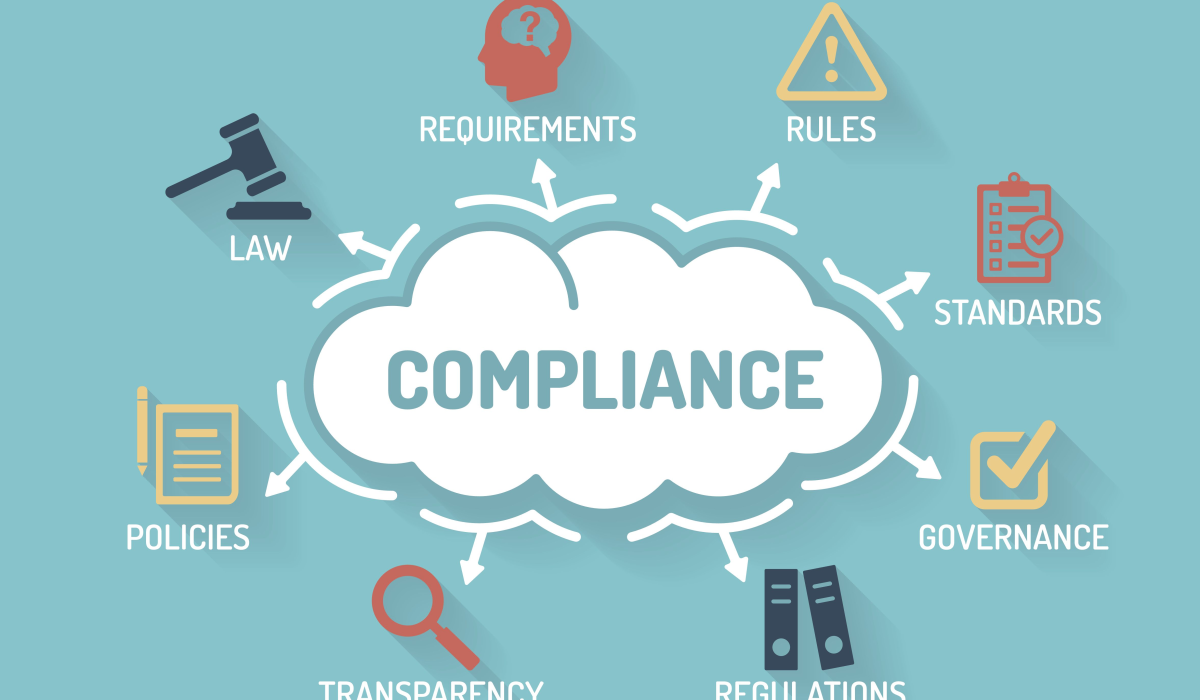
Understanding and Preparing for Your Organization's Compliance Obligations
Navigating the complex world of regulatory compliance can be daunting for organizations of all sizes. With an ever-evolving landscape of laws and regulations, businesses must stay informed and prepared to meet their compliance obligations. Here’s how understanding and planning for your organization’s compliance burden can protect your business and ensure smooth operations.
The Complexity of Compliance
Compliance requirements vary widely depending on your industry, location, and business activities. From data protection laws like GDPR and CCPA to industry-specific regulations such as HIPAA for healthcare or PCI-DSS for payment card data, the landscape of compliance is complex and multifaceted. Failure to adhere to these regulations can result in hefty fines, legal complications, and reputational damage.
Key Steps to Managing Compliance
1. Identify Relevant Regulations
The first step in managing compliance is to identify which regulations apply to your organization. This requires a thorough understanding of your industry’s specific requirements and any relevant local, national, or international laws. For instance, a company dealing with financial data will need to comply with regulations like SOX (Sarbanes-Oxley Act), while a healthcare provider must adhere to HIPAA (Health Insurance Portability and Accountability Act). Consulting with legal and compliance experts can help ensure that you are aware of all relevant regulations.
2. Conduct a Compliance Assessment
Once you’ve identified applicable regulations, the next step is to conduct a comprehensive compliance assessment. This involves reviewing your current policies, procedures, and practices to determine if they align with regulatory requirements. A thorough assessment helps identify gaps and areas of non-compliance that need to be addressed. Regular assessments should be part of your compliance strategy to adapt to any changes in regulations.
3. Develop and Implement Compliance Policies
Based on your assessment, develop and implement policies and procedures that ensure compliance with the identified regulations. This might include creating data protection policies, establishing protocols for handling sensitive information, or implementing measures to ensure financial transparency. Clear and well-documented policies are essential for maintaining compliance and demonstrating adherence to regulations.
4. Train Your Employees
Employee training is a crucial aspect of compliance management. Ensure that all employees are aware of the compliance requirements relevant to their roles and understand the policies and procedures in place. Regular training sessions and updates are important to keep staff informed about any changes in regulations or company policies. Employees who are well-versed in compliance requirements are less likely to inadvertently breach regulations.
5. Monitor and Review Compliance
Ongoing monitoring and review are essential to ensure that your compliance measures remain effective. Implement regular audits and inspections to assess compliance with established policies and identify any areas for improvement. Additionally, stay updated with any changes in regulations and adjust your compliance strategies accordingly. Effective monitoring helps catch potential issues early and maintain adherence to compliance requirements.
6. Engage with Compliance Experts
Navigating complex regulatory environments can be challenging, and seeking advice from compliance experts can be beneficial. Compliance consultants or legal advisors can provide valuable insights, help interpret regulations, and offer guidance on best practices. Engaging with experts can also assist in preparing for audits and addressing any compliance challenges that arise.
The Benefits of Effective Compliance Management
1. Avoiding Penalties and Fines
Adhering to regulations helps avoid costly penalties and fines, protecting your organization’s financial health and reputation.
2. Enhancing Reputation and Trust
A strong compliance record builds trust with customers, partners, and stakeholders, enhancing your organization’s reputation as a responsible and trustworthy entity.
3. Improving Operational Efficiency
Effective compliance management often leads to improved internal processes and operational efficiency, as policies and procedures are streamlined and standardized.
4. Reducing Legal Risks
By proactively addressing compliance obligations, you reduce the risk of legal issues and disputes, ensuring smoother operations and fewer disruptions.
Conclusion: The Importance of Proactive Compliance Management
Understanding and planning for your organization’s compliance obligations is crucial for maintaining regulatory adherence and protecting your business. By identifying relevant regulations, conducting assessments, implementing policies, training employees, and engaging with experts, you can effectively manage compliance and mitigate risks. Proactive compliance management not only safeguards your organization from potential penalties but also enhances your reputation and operational efficiency, paving the way for long-term success.