
- Location 1942 Broadway Boulder County, Co, 80302, USA
- Call Us +1(786) 887-8358
- Email Us [email protected]
The Power of Two-Factor Authentication: Why One Layer of Security Isn�t Enoug
The Power of Two-Factor Authentication: Why One Layer of Security Isn�t Enoug
In today’s digital world, protecting sensitive data has never been more critical. With cyberattacks becoming more sophisticated, businesses and individuals alike need to rethink their approach to security. One of the most effective ways to safeguard information is by implementing two-factor authentication (2FA). As the name suggests, 2FA requires two forms of identification before granting access, adding an extra layer of protection that can be the difference between a secure system and a devastating breach.
What is Two-Factor Authentication?
Two-factor authentication is a security process in which users provide two distinct authentication factors to verify their identity. The two factors typically include something the user knows (a password) and something the user has (like a mobile device or security token). This dual requirement makes it significantly harder for attackers to gain unauthorized access, even if they have stolen your password.
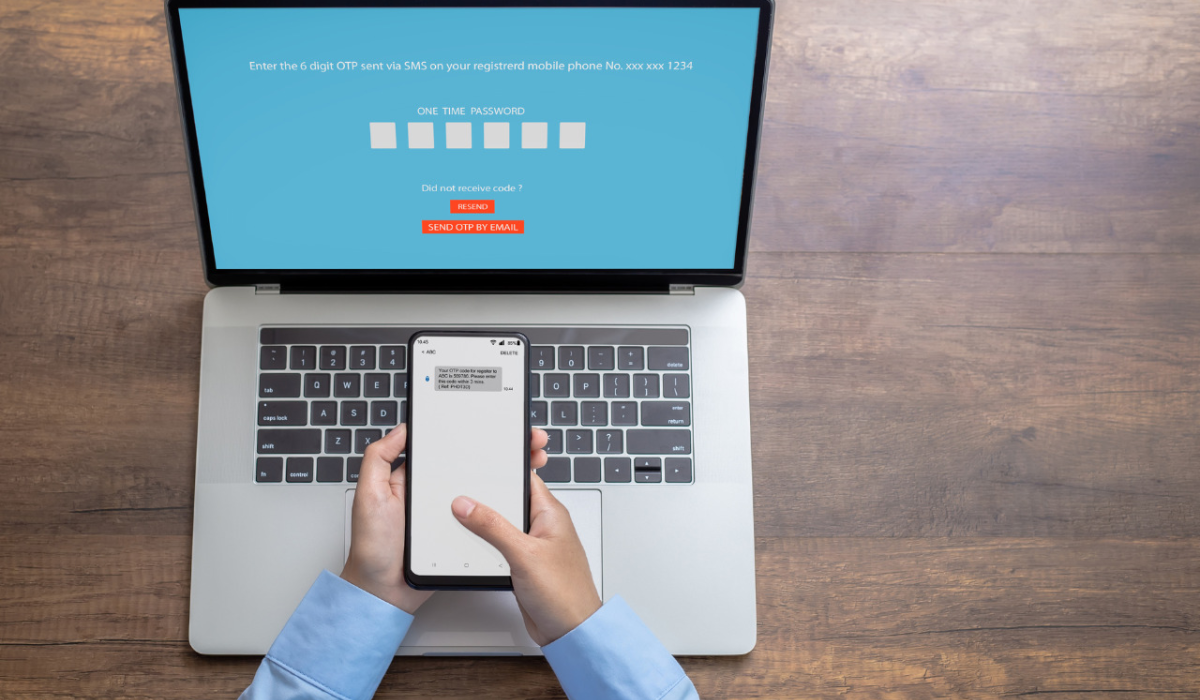
For instance, when logging into an account with 2FA, users first enter their password and then receive a code via text message or authentication app, which they must also input. Without both the password and the second factor, access is denied.
Why One Layer is Not Enough
Passwords alone are not secure anymore. While passwords were once sufficient, they are now easily compromised through techniques like phishing, brute force attacks, or even simple guesswork. According to cybersecurity experts, weak passwords are responsible for over 80% of hacking-related breaches. Many users tend to reuse passwords across multiple sites or choose simple passwords that are easy to remember, which unfortunately also makes them easy for hackers to crack.
Furthermore, once a password is stolen, attackers can use it to infiltrate multiple systems, causing extensive damage. This is where two-factor authentication becomes crucial—it adds a critical second barrier that makes it far more difficult for hackers to succeed.
How 2FA Works
Two-factor authentication works by requiring two of the following types of credentials:
-
Something you know: This is typically a password or PIN. It's the most common form of security but also the most vulnerable to being compromised.
-
Something you have: This could be a phone, a security key, or a token generator. After entering your password, you’ll receive a code sent to your phone or generate one using an app like Google Authenticator or a hardware token.
-
Something you are: In more advanced systems, biometrics like fingerprints or facial recognition are used as the second factor.
By combining these two factors, 2FA makes it much more difficult for unauthorized users to break into systems.
The Benefits of Two-Factor Authentication
1. Drastically Reduced Risk of Unauthorized Access
Even if a hacker manages to obtain a password, they would still need the second authentication factor to gain access. This makes it significantly harder for attackers to penetrate accounts or systems.
2. Protection Against Phishing
Phishing attacks are a leading cause of compromised credentials, where cybercriminals trick users into providing their passwords. Even if users fall for phishing scams, 2FA prevents access because the hacker would still need the second factor.
3. Secures Multiple Platforms
2FA can be implemented across a wide range of platforms, from email and social media to banking and business applications. It ensures that all sensitive data is secured, no matter where it is stored.
4. Easy to Implement
Many platforms offer simple 2FA setup options, from sending SMS codes to using authentication apps. It's a quick and effective way to boost your security without the need for expensive or complex infrastructure.
Real-World Applications of 2FA
Many organizations, from small businesses to large corporations, have already adopted 2FA as a standard security measure. Google, for example, encourages users to activate 2FA for all their accounts, offering options like phone prompts and security keys. Banks are also increasingly using 2FA to protect sensitive financial transactions. With online banking on the rise, using a password alone to safeguard your money is risky business.
Moreover, companies that handle sensitive customer data, such as healthcare providers or e-commerce platforms, often mandate 2FA for both internal systems and customer accounts. In fact, many companies that experience data breaches often cite a lack of 2FA as a significant factor in their vulnerabilities.
The Future of Security with Multi-Factor Authentication (MFA)
As cyber threats evolve, multi-factor authentication (MFA) is emerging as a future-forward security solution that goes beyond two factors. MFA includes more than two layers of protection, such as combining biometrics with 2FA. This approach provides even greater security, making it nearly impossible for unauthorized users to bypass all layers.
While 2FA is an excellent start, the ongoing development of security technologies, like MFA, shows that companies are continually striving to enhance their defenses against increasingly complex cyber threats.
Conclusion: Strengthening Security with 2FA
In an era where cyberattacks are both frequent and devastating, relying on just a password is no longer enough. Two-factor authentication offers a powerful and practical solution to safeguard your data, business, and personal information. By adding an extra layer of defense, you significantly reduce the risk of unauthorized access, ensuring that your sensitive information stays secure. For businesses and individuals alike, 2FA is a simple, yet effective, measure to stay one step ahead of cybercriminals.