
- Location 1942 Broadway Boulder County, Co, 80302, USA
- Call Us +1(786) 887-8358
- Email Us [email protected]
Preventing Data Breaches: How to Safeguard Your Business from Becoming the Next Cautionary Tale
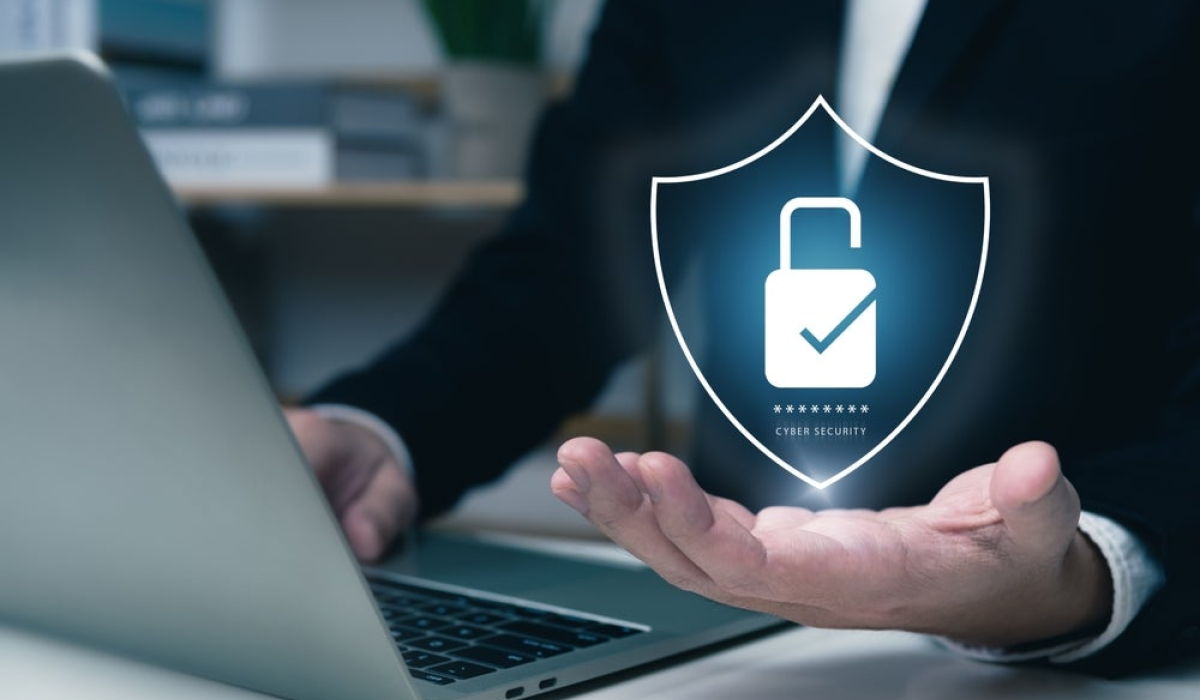
Preventing Data Breaches: How to Safeguard Your Business from Becoming the Next Cautionary Tale
In today's digital age, data security breaches are making headlines all too often. From large corporations to small businesses, no one is immune to cyberattacks. With increasing incidents of compromised customer data, intellectual property theft, and ransomware attacks, businesses must take preventive measures or risk becoming the next cautionary tale in the world of data security.
The Rising Threat of Cyberattacks
According to recent reports, cyberattacks are on the rise, with businesses facing unprecedented threats from sophisticated hackers. These attacks often target weak points in an organization's security infrastructure, such as outdated software, poor employee training, or insufficient access controls. One high-profile example is the 2017 Equifax breach, where over 147 million Americans' personal information was exposed due to vulnerabilities in their system. While large-scale breaches make headlines, smaller businesses are increasingly being targeted, often with devastating financial consequences.
Key Vulnerabilities in Business Security
-
Weak Passwords and Authentication: Surprisingly, many data breaches occur due to easily guessed or weak passwords. Employees often use the same passwords across multiple platforms, making it easier for cybercriminals to gain unauthorized access.
-
Outdated Software: Many companies fail to regularly update their software, leaving vulnerabilities in place for hackers to exploit. Security patches and updates are critical to fixing these vulnerabilities before they are exploited by attackers.
-
Lack of Employee Training: A significant number of breaches result from human error. Employees who are not properly trained in cybersecurity practices can inadvertently expose sensitive information through phishing scams or by using unsecured devices.
-
Unsecured Networks: Public Wi-Fi, unprotected networks, and weak firewalls are open doors for cyberattacks. Without strong encryption or security protocols in place, hackers can easily intercept communications and data.
Preventive Measures: How to Protect Your Business
1. Implement Stronger Authentication Systems
Adopt multi-factor authentication (MFA) across all business applications. MFA requires users to verify their identity using two or more methods, such as a password and a fingerprint or mobile device. This extra layer of security reduces the likelihood of unauthorized access.
2. Regular Software Updates and Patches
Ensure that your systems, software, and applications are regularly updated. Cybersecurity threats evolve rapidly, and outdated systems are an open invitation to hackers. By applying patches and updates, you close the door to potential attacks.
3. Employee Training Programs
One of the most effective ways to prevent data breaches is through regular cybersecurity training. Employees should be educated about phishing scams, the importance of using strong, unique passwords, and the risks associated with unsecured devices or networks. By empowering your staff with knowledge, you can significantly reduce the chances of accidental breaches.
4. Data Encryption
Encrypting sensitive data is essential in protecting it from unauthorized access. Whether it's customer information, financial data, or proprietary business knowledge, encryption ensures that even if hackers gain access, the data remains unreadable without the decryption key.
5. Secure Backup Solutions
In the event of a breach, having a secure, regularly updated backup can be a lifesaver. Businesses should employ cloud-based backup solutions that offer strong encryption and rapid recovery options to restore data quickly and minimize downtime.
6. Engage Cybersecurity Experts
Businesses should consider partnering with a cybersecurity firm to conduct regular security audits, vulnerability assessments, and penetration testing. These experts can identify potential risks and offer solutions tailored to your company's specific needs.
Real-World Impact of Breaches
The consequences of data breaches extend far beyond financial loss. Reputation damage can be catastrophic, leading to a loss of customer trust and long-term brand erosion. For instance, the Target data breach of 2013, which exposed the credit card details of 40 million customers, not only cost the company millions in settlements but also tarnished its reputation for years.
Moreover, regulatory fines are becoming more severe. The General Data Protection Regulation (GDPR) in the European Union, for example, imposes heavy penalties on businesses that fail to protect customer data. Companies that do not comply with data protection laws may face fines of up to 4% of their global revenue.
Conclusion: Stay Proactive, Not Reactive
In the ever-evolving world of cybersecurity, staying one step ahead is crucial. Businesses cannot afford to be reactive when it comes to protecting their data. Implementing strong security measures, regularly updating systems, training employees, and seeking expert advice can help mitigate risks and ensure that your business doesn’t become the next data security cautionary tale.
By being proactive, companies can not only protect their assets but also safeguard the trust of their customers—an invaluable asset in today’s data-driven world.