
- Location 1942 Broadway Boulder County, Co, 80302, USA
- Call Us +1(786) 887-8358
- Email Us [email protected]
Comparing Business Computing Costs: Cloud Solutions vs. On-Premises Systems
Comparing Business Computing Costs: Cloud Solutions vs. On-Premises Systems
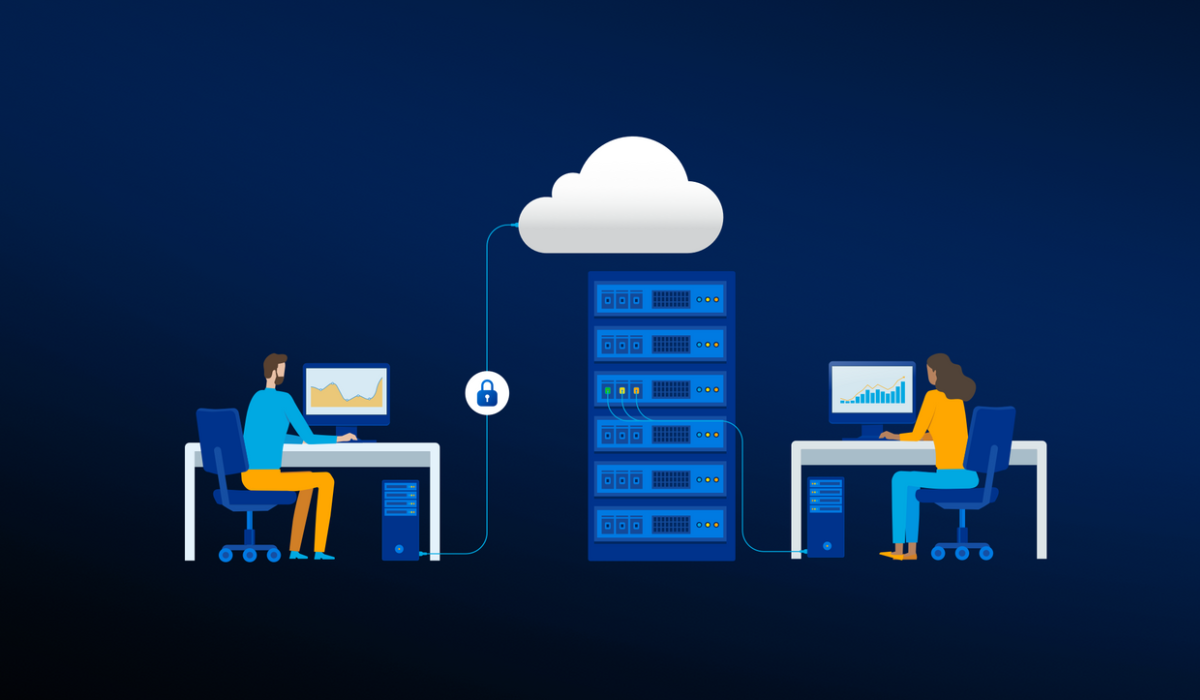
In the rapidly evolving landscape of technology, businesses are increasingly faced with the decision of whether to opt for cloud-based solutions or traditional on-premises systems. Each option comes with its own set of benefits and costs. Understanding these can help businesses make informed decisions about their IT infrastructure. Here’s a closer look at the costs associated with cloud computing versus on-premises systems.
Cloud Computing Costs
**1. Subscription-Based Pricing
Cloud services typically operate on a subscription-based model, where businesses pay for the resources they use on a monthly or annual basis. This model often includes flexibility in scaling resources up or down based on needs. For example, cloud providers like Amazon Web Services (AWS) or Microsoft Azure offer pay-as-you-go pricing, allowing businesses to avoid large upfront costs and pay only for the services they actually use.
**2. Lower Upfront Investment
One of the key advantages of cloud computing is the reduced initial investment. With cloud solutions, businesses do not need to purchase expensive hardware or invest in physical infrastructure. Instead, they can leverage the provider’s infrastructure, which reduces capital expenditures and lowers the barrier to entry for adopting advanced technologies.
**3. Maintenance and Support Costs
Cloud providers handle maintenance, updates, and support for their services. This can translate into lower operational costs for businesses, as they do not need to employ dedicated IT staff to manage and troubleshoot hardware and software issues. The cost of maintenance and support is typically included in the subscription fee, providing businesses with a predictable cost structure.
**4. Scalability and Flexibility
Cloud solutions offer significant scalability and flexibility, allowing businesses to adjust their resources based on demand. This means businesses can scale up during peak periods and scale down during quieter times, optimizing costs and avoiding over-provisioning. Additionally, cloud providers offer a range of services and integrations that can be quickly deployed, adding to operational efficiency.
On-Premises Computing Costs
**1. High Initial Investment
On-premises systems require a substantial initial investment in hardware, software, and infrastructure. Businesses must purchase servers, storage devices, networking equipment, and licenses, which can be a significant capital expenditure. Additionally, the cost of physical space, power, and cooling must be considered.
**2. Ongoing Maintenance and Upgrades
Maintaining on-premises systems involves regular updates, patches, and hardware maintenance, which can be costly and time-consuming. Businesses need to invest in IT staff or services to manage and support the infrastructure, and they must plan for periodic upgrades to keep the systems current and secure.
**3. Fixed Costs and Over-Provisioning
On-premises systems often come with fixed costs and require businesses to invest in infrastructure based on anticipated needs. This can lead to over-provisioning, where businesses purchase more resources than necessary to accommodate peak demand, resulting in underutilized assets and wasted expenditure.
**4. Limited Scalability
Scaling on-premises systems can be challenging and costly. Expanding capacity typically requires purchasing and installing additional hardware, which involves both financial and logistical considerations. Unlike cloud solutions, which offer on-demand scalability, on-premises systems may require significant lead time and planning to adjust to changing business needs.
Cost Comparison and Considerations
When comparing cloud computing costs with on-premises systems, it’s important to consider not only the financial aspects but also the strategic implications. Cloud solutions offer flexibility, lower upfront costs, and reduced maintenance responsibilities, making them an attractive option for many businesses. However, on-premises systems may be preferable for organizations with specific data security requirements, compliance considerations, or those that prefer complete control over their infrastructure.
Ultimately, the decision between cloud and on-premises solutions depends on factors such as business size, industry, growth projections, and budget constraints. A hybrid approach, combining both cloud and on-premises solutions, is also a viable option for businesses seeking to leverage the strengths of both models.
Conclusion: Making an Informed Decision
Deciding between cloud computing and on-premises systems requires a thorough evaluation of costs, benefits, and business needs. Cloud solutions offer flexibility, lower upfront costs, and reduced maintenance, while on-premises systems provide control and potentially lower long-term costs. By carefully assessing these factors, businesses can choose the IT infrastructure that best aligns with their strategic goals and operational requirements.